


Wikipedia:Tiăng-dŏng
| → Introduction of Eastern Min (Min Dong) |
This page is specially designed for non-Min-Dong speakers to discuss anything related to the Min Dong Wikipedia. You can also request assistance here. In principle, messages can be given in any language, but we prefer Chinese, English or other major languages.
Requests for the bot flag should be made on Wikipedia:Gĭ-ké-nè̤ng. This wiki uses the standard bot policy, and allows global bots and automatic approval of certain types of bots. Other bots should apply on that page.
The Min Dong Wikipedia is written in both Foochow Romanized (Bàng-uâ-cê) and Chinese characters (Háng-cê). For detailed information, please refer to Help:如何讀 (Chinese only at present). Some letters might be incorrectly displayed on your computer unless you install Charis SIL font (free).
If you are new here, we encourage you to open an account. After that, please write something on your userpage to introduce yourself. Babel userboxes in your userpage will tell us what languages you speak and their level of fluency (i.e., {{User en}}, {{User zh-3}}, etc. Only some major languages are available currently; others are still being made). If you have little knowledge about Min Dong, you can also add {{User cdo-0}}.
If you want any articles translated into Min Dong, feel free to tell us here; we are glad to help.
 Còng-dáung 存檔 |
|---|
邀請您儘早就擬議的運動憲章批准方法提出意見[Gāi nguòng-mā]
運動憲章起草委員會正在收集維基媒體運動中有關運動憲章批准方法的早期意見,至2023年4月28日止。根據目前的時間表,運動憲章計劃於2024年初進行批准。
有六個問題運動憲章起草委員會特別需要您提供意見。 請透過以下方式分享您的反饋:
如果您有任何問題,請與我聯繫。
此訊息謹代表運動憲章起草委員會發送。
VChang (WMF) 2023 nièng 4 nguŏk 17 hô̤ (B1) 12:54 (UTC)
本wiki即將切換至只讀模式[Gāi nguòng-mā]
維基媒體基金會即將測試第一和第二個数据中心之间的切换。 这项举措能够确保维基百科以及其他的维基媒体项目可以在经受灾害冲击时依然维持线上运作。 为确保一切正常,维基媒体技术部门计划进行测试,保证系统能够可靠地在两个数据中心之间切换。测试需要确保多个团队做好准备,修复任何问题。
所有流量将在2023年4月26日进行切换。 本次測試將會在14:00 UTC開始。
因MediaWiki系统限制,切换期间将短期无法进行编辑。 我們在此對您的不便致以歉意,並努力將其影響減至最低。
期间您可以阅读但暂时无法编辑所有的维基。
- 2023年4月26日,您大約有一个小时的时间不能进行编辑。
- 届时编辑条目或保存更改时将出现错误信息。 我们希望过程中没有编辑丢失,但无法确保。 如果您看到错误消息,请耐心等待一切恢复正常, 然后保存您的编辑。 保存前请先另行复制一份您的修改,以防万一。
其他影響:
- 后台作业变慢,有些可能被丢弃。 紅鏈可能無法像平時一樣即時更新。 如果您建立了一个新条目,而该条目的名称此前已经在其他页面显示为红色的内部链接,则该链接需要更长的时间才会被更新为蓝色。 一些长时间运行的脚本将停止。
- 我們預期代碼部署將如同往常一般進行。 不過,部分個案代碼可能因操作需要而暫時凍結。
- GitLab會暫停服務,為時約90分鐘。
MediaWiki message delivery 2023 nièng 4 nguŏk 21 hô̤ (B5) 00:41 (UTC)
維基媒體基金會2023至2024年度計劃和即將舉行的社群對話[Gāi nguòng-mā]
本訊息的主要目的是與您分享維基媒體基金會下一個財政年度(2023年7月至2024年6月)的年度計劃草案。年度計劃摘要有多種語言版本。
年度計劃草案部分節選
維基媒體基金會正處於轉型期。基金會去年迎來了新的領導層,包括新的執行長以及產品與技術長。 此外,基金會也就一系列重要議題與全球社群進行了對話,從定義未來角色和責任的運動憲章到透過籌款橫幅籌集共享的資源。 今年的年度計劃試圖更清楚地說明沒有快速解決方案的多年度策略議題,並提供有關基金會運作方式的更詳細信息。
這是連續二年維基媒體基金會將其年度計劃錨定在運動策略上,以期能促進公平。 目的是將基金會的工作與運動策略建議更緊密地聯繫起來,以便朝著2030策略方向取得更深入的進展。 今年,在制定計畫上基金會重新圍繞在產品和技術領域,強調我們作為人們和社群大規模協作的平台其獨特角色。 如果您有興趣了解更多資訊,您可以在此元維基頁面上找到詳細信息。
請求您的反饋
非常歡迎您的反饋,不管是直接留在元維基討論頁上或是分享在您的本地討論空間。您的評論和反思能在基金會理事會考慮計劃與預算的六月會議之前協助改進提案。
社群對話
我們邀請每個人參與2023年4月30日世界協調時間六點的社群對話(由此查看您的本地時間),本場次是特別為亞太時區所規劃的。您可以在Diff時程上看到此活動。首席發展官兼副執行長Lisa Seitz Gruwell將參與本場會議分享更多並瞭解您的看法。您可以在本協作頁面找到對話時間的相關資訊。我們期待您的參與!
VChang (WMF) 2023 nièng 4 nguŏk 25 hô̤ (B2) 13:51 (UTC)
Seeking volunteers for the next step in the Universal Code of Conduct process[Gāi nguòng-mā]
Hello,
As follow-up to the message about the Universal Code of Conduct Enforcement Guidelines by Wikimedia Foundation Board of Trustees Vice Chair, Shani Evenstein Sigalov, I am reaching out about the next steps. I want to bring your attention to the next stage of the Universal Code of Conduct process, which is forming a building committee for the Universal Code of Conduct Coordinating Committee (U4C). I invite community members with experience and deep interest in community health and governance to nominate themselves to be part of the U4C building committee, which needs people who are:
- Community members in good standing
- Knowledgeable about movement community processes, such as, but not limited to, policy drafting, participatory decision making, and application of existing rules and policies on Wikimedia projects
- Aware and appreciative of the diversity of the movement, such as, but not limited to, languages spoken, identity, geography, and project type
- Committed to participate for the entire U4C Building Committee period from mid-May - December 2023
- Comfortable with engaging in difficult, but productive conversations
- Confidently able to communicate in English
The Building Committee shall consist of volunteer community members, affiliate board or staff, and Wikimedia Foundation staff.
The Universal Code of Conduct has been a process strengthened by the skills and knowledge of the community and I look forward to what the U4C Building Committee creates. If you are interested in joining the Building Committee, please either sign up on the Meta-Wiki page, or contact ucocproject wikimedia.org by May 12, 2023. Read more on Meta-Wiki.
Best regards,
Xeno (WMF) 2023 nièng 4 nguŏk 26 hô̤ (B3) 19:00 (UTC)
Global ban proposal for Leonardo José Raimundo[Gāi nguòng-mā]
Apologies for writing in English. 請協助翻譯成您使用的語言 There is an on-going discussion about a proposal that Leonardo José Raimundo be globally banned from editing all Wikimedia projects. You are invited to participate at Requests for comment/Global ban for Leonardo José Raimundo on Meta-Wiki. 感謝您! Elton (Tō̤-lâung) 2023 nièng 5 nguŏk 26 hô̤ (B5) 01:00 (UTC)
- As a result of m:Requests for comment/Global ban for Leonardo José Raimundo, Leonardo José Raimundo has been banned from all Wikimedia projects. --AntiCompositeNumber (tō̤-lâung) 2023 nièng 6 nguŏk 8 hô̤ (B4) 02:15 (UTC)
通用行為準則協調委員會建構委員會遴選[Gāi nguòng-mā]
《通用行為準則》流程的下一階段是成立一個通用行為準則協調委員會建構委員會,為通用行為準則協調委員會(英文簡稱為:U4C)制定章程。通用行為準則協調委員會建構委員會已經選定。請在元維基上閱讀有關成員和未來工作的信息。
-- UCoC Project Team, 2023 nièng 5 nguŏk 27 hô̤ (B6) 04:20 (UTC)
宣布新的选举委员会成员名单[Gāi nguòng-mā]
大家好,
我们很高兴地宣布选举委员会的新成员和顾问。选举委员会协助维基媒体基金会董事会设计和实施程序,挑选社群和联盟成员的理事。经过公开的提名过程,最強的候选人已在理事会上發言、四名候选人已被要求加入选举委员会。另外四位候选人已被要求作为顾问一同参与。
感谢所有提交名字供审议的社群成员。我们期望在不久的将来与选举委员会一起合作。
谨代表维基媒体基金会董事会
RamzyM (WMF) 2023 nièng 6 nguŏk 28 hô̤ (B3) 17:59 (UTC)
The Vector 2022 skin as the default in two weeks[Gāi nguòng-mā]

Hello. I'm writing on behalf of the Wikimedia Foundation Web team. In two weeks, we would like to make the Vector 2022 skin the default on this wiki.
If you prefer keeping the current skin, select "Vector legacy (2010)" in global preferences and save the change.
We have been working on it for the past three years. So far, it has been the default on more than 300 wikis, including most Wikipedias and some sister projects. This accounts for more than 4 billions pageviews per month.
It would become the default for all logged-out users, and also all logged-in users who currently use Vector legacy. Logged-in users can at any time switch to any other skins. No changes are expected for users of these skins.
- Top of an article
-
 Vector legacy (current default)
 -
 Vector 2022


- A section of an article
-
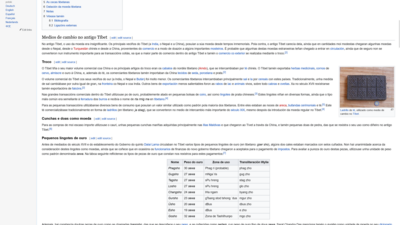 Vector legacy (current default)
 -
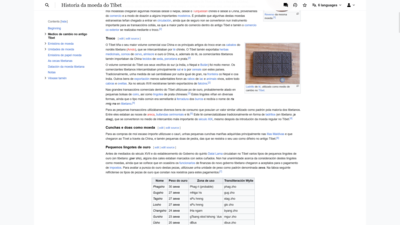 Vector 2022


About the skin[Gāi nguòng-mā]
[Why is a change necessary] The current default skin meets the needs of the readers and editors as these were 13 years ago. Since then, new users have begun using Wikimedia projects. The old Vector doesn't meet their needs.
[Objective] The objective for the new skin is to make the interface more welcoming and comfortable for readers and useful for advanced users. It draws inspiration from previous requests, the Community Wishlist Surveys, and gadgets and scripts. The work helped our code follow the standards and improve all other skins. We reduced PHP code in Wikimedia deployed skins by 75%. The project has also focused on making it easier to support gadgets and use APIs.
[Changes and test results] The skin introduces a series of changes that improve readability and usability. The new skin does not remove any functionality currently available on the Vector skin.
- The sticky header makes it easier to find tools that editors use often. It decreases scrolling to the top of the page by 16%.
- The new table of contents makes it easier to navigate to different sections. Readers and editors jumped to different sections of the page 50% more than with the old table of contents. It also looks a bit different on talk pages.
- The new search bar is easier to find and makes it easier to find the correct search result from the list. This increased the amount of searches started by 30% on the wikis we tested on.
- The skin does not negatively affect pageviews, edit rates, or account creation. There is evidence of increases in pageviews and account creation across partner communities.
[Try it out] Try out the new skin by going to the appearance tab in your preferences and selecting Vector 2022 from the list of skins.
How can editors change and customize this skin?[Gāi nguòng-mā]
It's possible to configure and personalize our changes. We support volunteers who create new gadgets and user scripts. Check out our repository for a list of currently available customizations, or add your own.
Our plan[Gāi nguòng-mā]
If no large concerns are raised, we plan on deploying on August 9, 2023. If you'd like ask our team anything, if you have questions, concerns, or additional thoughts, please ping me here or write on the talk page of the project. We will gladly answer! Also, see our FAQ. Thank you! SGrabarczuk (WMF) (tō̤-lâung) 2023 nièng 7 nguŏk 26 hô̤ (B3) 23:47 (UTC)
Deploying the Phonos in-line audio player to your Wiki[Gāi nguòng-mā]
您好!
Apologies if this message is not in your language, ⧼Please help translate⧽ to your language.
This wiki will soon be able to use the inline audio player implemented by the Phonos extension. This is part of fulfilling a wishlist proposal of providing audio links that play on click.
With the inline audio player, you can add text-to-speech audio snippets to wiki pages by simply using a tag:
<phonos file="audio file" label="Listen"/>
The above tag will show the text next to a speaker icon, and clicking on it will play the audio instantly without taking you to another page. A common example where you can use this feature is in adding pronunciation to words as illustrated on the English Wiktionary below.
{{audio|en|En-uk-English.oga|Audio (UK)}}
Could become:
<phonos file="En-uk-English.oga" label="Audio (UK)"/>
The inline audio player will be available in your wiki in 2 weeks time; in the meantime, we would like you to read about the features and give us feedback or ask questions about it in this talk page.
Thank you!UOzurumba (WMF), on behalf of the Foundation's Language team
2023 nièng 7 nguŏk 27 hô̤ (B4) 02:26 (UTC)
審查《通用行為準則》協調委員會的章程[Gāi nguòng-mā]
大家好,
我很高興與大家分享有關《通用行為準則》工作的下一步。《通用行為準則》協調委員會 (U4C) 章程草案現已準備好供您審核。
《通用行為準則》執行規範要求以《通用行為準則》協調委員會 (U4C) 建構委員會形式起草一份章程,概述被稱為《通用行為準則》協調委員會(U4C)的全球委員會的程序和細節。在過去的幾個月裡,《通用行為準則》協調委員會 (U4C) 建構委員會作為一個小組共同討論和起草了《通用行為準則》協調委員會 (U4C) 的章程。《通用行為準則》協調委員會 (U4C) 建構委員會歡迎大家從現在到 2023 年 9 月 22 日期間就章程草案提供反饋。在此日期之後,《通用行為準則》協調委員會 (U4C) 建構委員會將根據需要修改章程,社群投票將於其後開始。
致以最誠摯的問候,
RamzyM (WMF), on behalf of the U4C Building Committee, 2023 nièng 8 nguŏk 28 hô̤ (B1) 15:35 (UTC)
本wiki即將切換至只讀模式[Gāi nguòng-mā]
維基媒體基金會即將切换数据中心之间的路由。 这项举措能够确保维基百科以及其他的维基媒体项目可以在经受灾害冲击时依然维持线上运作。 为确保一切正常,维基媒体技术部门计划进行测试,保证系统能够可靠地在两个数据中心之间切换。测试需要确保多个团队做好准备,修复任何问题。
所有流量将在2023年9月20日进行切换。 本次測試將會在14:00 UTC開始。
因MediaWiki系统限制,切换期间将短期无法进行编辑。 我們在此對您的不便致以歉意,並努力將其影響減至最低。
期间您可以阅读但暂时无法编辑所有的维基。
- 2023年9月20日,您大約有一个小时的时间不能进行编辑。
- 届时编辑条目或保存更改时将出现错误信息。 我们希望过程中没有编辑丢失,但无法确保。 如果您看到错误消息,请耐心等待一切恢复正常, 然后保存您的编辑。 保存前请先另行复制一份您的修改,以防万一。
其他影響:
- 后台作业变慢,有些可能被丢弃。 紅鏈可能無法像平時一樣即時更新。 如果您建立了一个新条目,而该条目的名称此前已经在其他页面显示为红色的内部链接,则该链接需要更长的时间才会被更新为蓝色。 一些长时间运行的脚本将停止。
- 我們預期代碼部署將如同往常一般進行。 不過,部分個案代碼可能因操作需要而暫時凍結。
- GitLab會暫停服務,為時約90分鐘。
Trizek_(WMF) (talk) 2023 nièng 9 nguŏk 15 hô̤ (B5) 09:23 (UTC)
==为自治體委员会、申诉专员委员会、和案件审查委员会提供机会==[Gāi nguòng-mā]
大家好!自治體委员会(AffCom)、申诉专员委员会(OC)和案件审查委员会(CRC)正在招募新成员。这些志愿者团体为社群和运动提供重要的结构和监督支持。我们鼓励大家舉薦自己或鼓励他们认为能为这些小组做出贡献的其他人申请加入。在元维基页面上有更多关于这些小组的作用、所需技能和申请机会的信息。
謹代表委员会支援小组,
請审查并评论2024年维基媒体基金会董事会整套遴选规则[Gāi nguòng-mā]
敬啟者:
即日起至2023年10月29日,请对维基媒体基金会董事会整套遴选规则进行审核并提出意见。该整套遴选规则由选举委员会基于旧版本制定,将用于2024年董事会遴选。现在提出您的意见将有助于他们提供更顺利、更完善的董事会遴选程序。在元維基頁面上的更多内容.
順祝商祺
Katie Chan
选举委员会主席
2023 nièng 10 nguŏk 17 hô̤ (B2) 01:12 (UTC)
Coming soon: Reference Previews[Gāi nguòng-mā]

A new feature is coming to your wiki soon: Reference Previews are popups for references. Such popups have existed on wikis as local gadgets for many years. Now there is a central solution, available on all wikis, and consistent with the PagePreviews feature.
Reference Previews will be visible to everyone, including readers. If you don’t want to see them, you can opt out. If you are using the gadgets Reference Tooltips or Navigation Popups, you won’t see Reference Previews unless you disable the gadget.
Reference Previews have been a beta feature on many wikis since 2019, and a default feature on some since 2021. Deployment is planned for November 22.
- Help page
- Project page with more information (in English).
- Feedback is welcome on this talk page.
-- For Wikimedia Deutschland’s Technical Wishes team,
Johanna Strodt (WMDE), 2023 nièng 11 nguŏk 15 hô̤ (B3) 13:11 (UTC)
== (新)Kartographer功能:使用QID添加地理點 ==[Gāi nguòng-mā]
自2022年9月以來,您可以使用QID建立地理點。許多維基貢獻者要求了這個功能,但並沒有被廣泛使用。因此我們想提醒您此功能現已可用。更多資訊可以在計劃頁面找到。如果您有任何意見,請在討論頁告訴我們。——謹致問候,德國維基媒體協會技術願望團隊
Thereza Mengs (WMDE) 2023 nièng 12 nguŏk 13 hô̤ (B3) 12:31 (UTC)
Do you use Wikidata in Wikimedia sibling projects? Tell us about your experiences[Gāi nguòng-mā]
Note: Apologies for cross-posting and sending in English.
Hello, the Wikidata for Wikimedia Projects team at Wikimedia Deutschland would like to hear about your experiences using Wikidata in the sibling projects. If you are interested in sharing your opinion and insights, please consider signing up for an interview with us in this Registration form.
Currently, we are only able to conduct interviews in English.
The front page of the form has more details about what the conversation will be like, including how we would compensate you for your time.
For more information, visit our project issue page where you can also share your experiences in written form, without an interview.
We look forward to speaking with you, Danny Benjafield (WMDE) (talk) 08:53, 5 January 2024 (UTC)
Reusing references: Can we look over your shoulder?[Gāi nguòng-mā]
Apologies for writing in English.
The Technical Wishes team at Wikimedia Deutschland is planning to make reusing references easier. For our research, we are looking for wiki contributors willing to show us how they are interacting with references.
- The format will be a 1-hour video call, where you would share your screen. More information here.
- Interviews can be conducted in English, German or Dutch.
- Compensation is available.
- Sessions will be held in January and February.
- Sign up here if you are interested.
- Please note that we probably won’t be able to have sessions with everyone who is interested. Our UX researcher will try to create a good balance of wiki contributors, e.g. in terms of wiki experience, tech experience, editing preferences, gender, disability and more. If you’re a fit, she will reach out to you to schedule an appointment.
We’re looking forward to seeing you, Thereza Mengs (WMDE)
Feminism and Folklore 2024[Gāi nguòng-mā]

Dear Wiki Community,
You are humbly invited to organize the Feminism and Folklore 2024 writing competition from February 1, 2024, to March 31, 2024 on your local Wikipedia. This year, Feminism and Folklore will focus on feminism, women's issues, and gender-focused topics for the project, with a Wiki Loves Folklore gender gap focus and a folk culture theme on Wikipedia.
You can help Wikipedia's coverage of folklore from your area by writing or improving articles about things like folk festivals, folk dances, folk music, women and queer folklore figures, folk game athletes, women in mythology, women warriors in folklore, witches and witch hunting, fairy tales, and more. Users can help create new articles, expand or translate from a generated list of suggested articles.
Organisers are requested to work on the following action items to sign up their communities for the project:
- Create a page for the contest on the local wiki.
- Set up a campaign on CampWiz tool.
- Create the local list and mention the timeline and local and international prizes.
- Request local admins for site notice.
- Link the local page and the CampWiz link on the meta project page.
This year, the Wiki Loves Folklore Tech Team has introduced two new tools to enhance support for the campaign. These tools include the Article List Generator by Topic and CampWiz. The Article List Generator by Topic enables users to identify articles on the English Wikipedia that are not present in their native language Wikipedia. Users can customize their selection criteria, and the tool will present a table showcasing the missing articles along with suggested titles. Additionally, users have the option to download the list in both CSV and wikitable formats. Notably, the CampWiz tool will be employed for the project for the first time, empowering users to effectively host the project with a jury. Both tools are now available for use in the campaign. Click here to access these tools
Learn more about the contest and prizes on our project page. Feel free to contact us on our meta talk page or by email us if you need any assistance.
We look forward to your immense coordination.
Thank you and Best wishes,
Feminism and Folklore 2024 International Team
- Stay connected


- Stay connected


--MediaWiki message delivery (tō̤-lâung) 2024 nièng 1 nguŏk 18 hô̤ (B4) 07:26 (UTC)
Wiki Loves Folklore is back![Gāi nguòng-mā]
請協助翻譯成您使用的語言

Dear Wiki Community, You are humbly invited to participate in the Wiki Loves Folklore 2024 an international photography contest organized on Wikimedia Commons to document folklore and intangible cultural heritage from different regions, including, folk creative activities and many more. It is held every year from the 1st till the 31st of March.
You can help in enriching the folklore documentation on Commons from your region by taking photos, audios, videos, and submitting them in this commons contest.
You can also organize a local contest in your country and support us in translating the project pages to help us spread the word in your native language.
Feel free to contact us on our project Talk page if you need any assistance.
Kind regards,
Wiki loves Folklore International Team
-- MediaWiki message delivery (tō̤-lâung) 2024 nièng 1 nguŏk 18 hô̤ (B4) 07:26 (UTC)
有關《通用行為準則》協調委員會章程的投票[Gāi nguòng-mā]
大家好,
我今天聯絡您是為了宣布《通用行為準則》協調委員會(U4C)章程的投票期現已開始。社群成員現在可以透過SecurePoll進行投票並提供有關章程的評論,直至2024年2月2日。曾在《通用行為準則》執行規範制定過程中發表意見的人士將會發現這個流程很熟悉。
《通用行為準則》協調委員會章程的當前版本已在元維基上發布,並提供翻譯版本。
請閱讀章程,投票並與社群中的其他人分享此訊息。我可以自信地說《通用行為準則》協調委員會期待您的參與。
謹代表《通用行為準則》專案團隊,
RamzyM (WMF) 2024 nièng 1 nguŏk 19 hô̤ (B5) 18:08 (UTC)
《通用行為準則》協調委員會章程的最後投票期[Gāi nguòng-mā]
大家好,
我想提醒大家《通用行為準則》協調委員會(U4C)章程的投票期將於2024年2月2日結束。社群成員可以透過SecurePoll進行投票並提供有關章程的評論。曾在《通用行為準則》執行規範制定過程中發表意見的人士將會發現這個流程很熟悉。
《通用行為準則》協調委員會章程的當前版本已在元維基上發布,並提供翻譯版本。
請閱讀章程,投票並與社群中的其他人分享此訊息。我可以自信地說《通用行為準則》協調委員會期待您的參與。
謹代表《通用行為準則》專案團隊,
RamzyM (WMF) 2024 nièng 1 nguŏk 31 hô̤ (B3) 17:00 (UTC)
公佈《通用行為準則》協調委員會章程批准投票結果[Gāi nguòng-mā]
各位好,
我們十分感謝大家關注《通用行為準則》的進展。我在此宣佈《通用行為準則》協調委員會章程的批准投票結果。1746位貢獻者在本次批准投票中投票,1249名選民支持該章程,420名選民不支持。而是次投票過程允許選民對該章程發表評論。
投票統計報告和選民評論摘要將在未來幾週內在元維基上發佈。
敬請期待後續的進展。
謹代表《通用行為準則》專案團隊,
RamzyM (WMF) 2024 nièng 2 nguŏk 12 hô̤ (B1) 18:23 (UTC)
Ukraine's Cultural Diplomacy Month 2024: We are back![Gāi nguòng-mā]

請協助翻譯成您使用的語言
Hello, dear Wikipedians!
Wikimedia Ukraine, in cooperation with the MFA of Ukraine and Ukrainian Institute, has launched the forth edition of writing challenge "Ukraine's Cultural Diplomacy Month", which lasts from 1st until 31st March 2024. The campaign is dedicated to famous Ukrainian artists of cinema, music, literature, architecture, design and cultural phenomena of Ukraine that are now part of world heritage. We accept contribution in every language! The most active contesters will receive prizes.
We invite you to take part and help us improve the coverage of Ukrainian culture on Wikipedia in your language! Also, we plan to set up a banner to notify users of the possibility to participate in such a challenge! ValentynNefedov (WMUA) (talk)
通用行為準則協調委員會組織章程批准報告公布;現正受理協調委員會委員候選人申請登記[Gāi nguòng-mā]
您好:
目前,通用行為準則協調委員會(U4C)之《組織章程》批准評論報告已經公布。此外,自即日起至4月1日止,將受理通用行為準則協調委員會委員候選人申請登記。
通用行為準則協調委員會致力於公正執行《通用行為準則》(UCoC)之規定。我們歡迎社群成員申請登記為協調委員會委員候選人。有關委員會職責及其他資訊,詳見組織章程頁面。
依《組織章程》規定,通用行為準則協調委員會置委員16人,其中有8人由全體社群成員選出,另有8人按地區分配選出,以確保協調委員會有效反映社群多元組成。
有關候選人申請登記辦法及其他具體細節,詳見元維基頁面。
謹代表《通用行為準則》專案團隊,
RamzyM (WMF) 2024 nièng 3 nguŏk 5 hô̤ (B2) 16:25 (UTC)
維基媒體基金會理事會 2024 遴選[Gāi nguòng-mā]
大家好,
今年,維基媒體基金會理事會的四名由社群和維基媒體自治體選出的理事會成員的任期將會結束[1]。維基媒體基金會理事會邀請整個維基媒體運動參與今年的選拔過程並投票填補這些席位。
維基媒體基金會理事會選舉委員會將在維基媒體基金會工作人員的支持下監督這一過程[2]。維基媒體基金會理事會治理委員會從無法參與 2024 年由社群和維基媒體自治體選出的理事會成員遴選過程候選人的理事會成員中成立了一個理事會遴選工作小組,由Dariusz Jemielniak,Nataliia Tymkiv,Esra'a Al Shafei,Kathy Collins,和 Shani Evenstein Sigalov 組成[3]。該小組的任務是為維基媒體基金會理事會監督 2024 年理事會成員選擇流程,並向理事會通報情況。請參閱此處以了解有關選舉委員會、理事會和工作人員角色的更多詳細資訊 [4]。
以下是已計劃的主要日期:
- 2024 年 5 月:徵集候選人和問題
- 2024 年 6 月:維基媒體自治體投票選出 12 名候選人入圍名單(如果只有 15 名或以下候選人申請,則不設入圍名單)[5]
- 2024 年 6 月至 8 月:競選活動期間
- 2024 年 8 月底/9 月初:為期兩週的社群投票期
- 2024 年 10 月至 11 月:已獲選候選人的背景調查
- 2024 年 12 月舉行的維基媒體基金會理事會會議:新理事會成員就任
請在此元維基頁面上了解有關 2024 年維基媒體基金會理事會選舉流程的更多信息,包括詳細的時間表、候選流程、競選規則和選民資格標準,並制定您的計劃。
選舉志願者
參與維基媒體基金會理事會 2024 選舉過程的另一種方式是成為選舉志願者。選舉志願者是選舉委員會與其各自社群之間的橋樑。他們幫助確保他們的社群得到代表並動員他們投票。請在此 元維基頁面 上了解有關該計劃以及如何加入的更多資訊。
此致,
Dariusz Jemielniak (維基媒體基金會理事會治理委員會主席、維基媒體基金會理事會選舉工作小組)
[2] https://foundation.wikimedia.org/wiki/Committee:Elections_Committee_Charter
[3] https://foundation.wikimedia.org/wiki/Minutes:2023-08-15#Governance_Committee
[4] https://meta.wikimedia.org/wiki/Wikimedia_Foundation_elections_committee/Roles
[5] 儘管理想的人數是 12 名候選人競選 4 個空缺席位,但如果超過 15 名候選人參選,就會觸發入圍名單流程,因為被剔除的 1 至 3 名候選人可能會感到被排斥。對於維基媒體自治體來說,只從候選人名單中剔除 1 至 3 名候選人的入圍名單程序將是一項繁重的工作。
MPossoupe_(WMF)2024 nièng 3 nguŏk 12 hô̤ (B2) 19:56 (UTC)
本wiki即將切換至只讀模式[Gāi nguòng-mā]
維基媒體基金會即將切换数据中心之间的路由。 这项举措能够确保维基百科以及其他的维基媒体项目可以在经受灾害冲击时依然维持线上运作。
所有流量将在2024年3月20日进行切换。 本次測試將會在14:00 UTC開始。
因MediaWiki系统限制,切换期间将短期无法进行编辑。 我們在此對您的不便致以歉意,並努力將其影響減至最低。
期间您可以阅读但暂时无法编辑所有的维基。
- 2024年3月20日,您大約有一个小时的时间不能进行编辑。
- 届时编辑条目或保存更改时将出现错误信息。 我们希望过程中没有编辑丢失,但无法确保。 如果您看到错误消息,请耐心等待一切恢复正常, 然后保存您的编辑。 保存前请先另行复制一份您的修改,以防万一。
其他影響:
- 后台作业变慢,有些可能被丢弃。 紅鏈可能無法像平時一樣即時更新。 如果您建立了一个新条目,而该条目的名称此前已经在其他页面显示为红色的内部链接,则该链接需要更长的时间才会被更新为蓝色。 一些长时间运行的脚本将停止。
- 我們預期代碼部署將如同往常一般進行。 不過,部分個案代碼可能因操作需要而暫時凍結。
- GitLab會暫停服務,為時約90分鐘。
Trizek (WMF), 2024 nièng 3 nguŏk 15 hô̤ (B5) 00:00 (UTC)
维基媒体运动宪章草案全文即将公布[Gāi nguòng-mā]
各位好,
維基媒體運動憲章起草委員會很高興地宣佈,維基媒體運動憲章的完整草案將於 2024年4月2日發佈。這將展開4月2日至4月22日的社群參與期。
維基媒體運動憲章是一份建議文件,旨在定義維基媒體運動所有成員和實體的角色和責任,包括設立一個新的維基媒體運動治理全域委員會。
維基媒體運動的每位成員均被邀請就完整版的維基媒體運動憲章草案分享意見——這是在維基媒體運動憲章草案更新以進行2024年6月批准投票之前提供反饋的最後機會。
如何分享您的意見
- 在維基媒體運動憲章的討論頁面上分享您的資訊或問題;
- 參加4月4日15:00-17:00(世界協調時間)舉行的社群會議(詳情即將公佈);
- 或發送電子郵件至movementcharter@wikimedia.org.
請閱讀維基媒體運動憲章起草委員會的最新更新以獲取更多資訊。
僅代表維基媒體運動憲章起草委員會,
RamzyM (WMF) 2024 nièng 3 nguŏk 28 hô̤ (B4) 13:49 (UTC)
完整的運動章程草案等待您在元維基上審核[Gāi nguòng-mā]
大家好,
維基媒體運動憲章的完整草案已發佈在元維基上供您審閱。
為什麼您要關心維基媒體運動憲章
維基媒體運動憲章非常重要。這將是落實維基媒體運動2030策略建議的重要文件。參與維基媒體運動憲章討論意味著您確保在塑造維基媒體運動的未來時您的聲音被聽到,並代表您的利益。
社群參與 – 4月2日至4月30日
維基媒體運動憲章起草委員會(MCDC)誠摯邀請維基媒體運動的每位成員分享對維基媒體運動憲章完整草案的回饋。
請透過在維基媒體運動憲章討論頁面上以任何語言分享您的回饋,讓人們聽到您的聲音, 參加社群會議,或發送電子郵件至movementcharter@wikimedia.org.
請閱讀維基媒體運動憲章起草委員會的最新更新以獲取更多資訊。
謝謝。
僅代表維基媒體運動憲章起草委員會,
RamzyM (WMF) 2024 nièng 4 nguŏk 4 hô̤ (B4) 05:24 (UTC)
現在投票選出第一屆《通用行為準則》協調委員會成員[Gāi nguòng-mā]
各位好,
我在此通知您,《通用行為準則》協調委員會(英文簡稱為:U4C)的投票期現已開放,截止日期為 2024 年 5 月 9 日。請閱讀元維基上的投票頁面以了解有關投票和選民資格的更多資訊。
《通用行為準則》協調委員會(英文簡稱為:U4C)是一個致力於公平地和一致地實施《通用行為準則》的全球性組織。社群成員受邀提交《通用行為準則》協調委員會候選人申請。如需了解更多資訊和《通用行為準則》協調委員會的職責,請查看《通用行為準則》協調委員會的章程。
請與您的社群成員分享此訊息,以便他們可以參與是次投票。
謹代表《通用行為準則》專案團隊,